Used car with a smoker's history
A driver buys a used SUV and discovers the previous owner smoked heavily once the heater runs on a cold morning.
Smoke · Spills · Mildew · Bear spray
A car is a small, closed space that soaks up everything: smoke, spilled milk, gym gear, even a bear spray canister that went off on a hot day. Odor hides in the seats, carpet, headliner, and air system, and that's where treatment has to reach.
This website is a draft preview. No phone line or request form is connected yet.
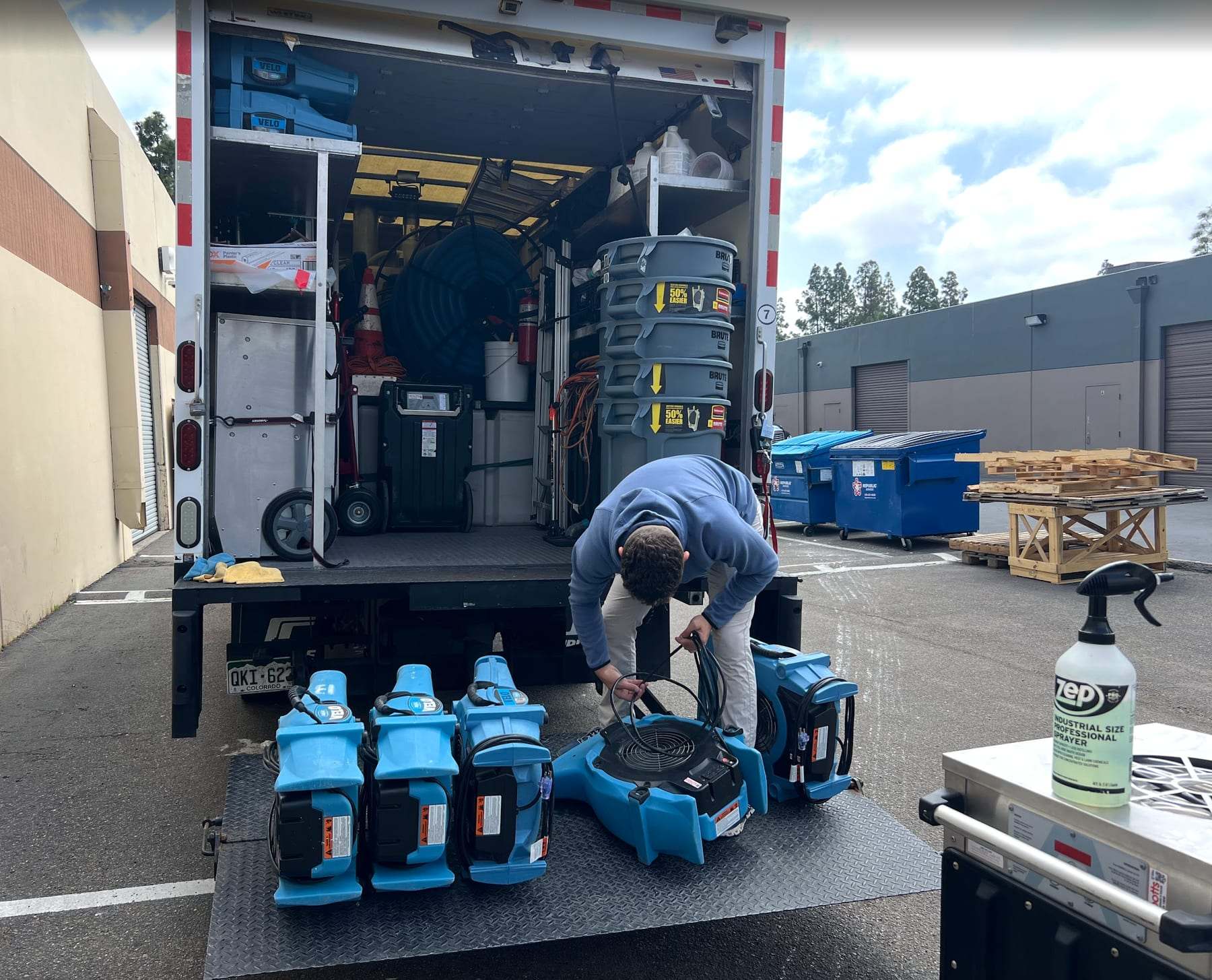
Vehicle odors are concentrated: a lot of fabric, foam, and carpet in a small sealed space that bakes in summer sun. Smoke residue coats the headliner and windows; spills soak through floor mats into the padding beneath; damp gear and leaks feed mildew. The ventilation system pulls air across all of it and can hold odor in the evaporator and ducts.
Thorough vehicle treatment usually means finding where odor is concentrated, treating those materials, and then treating the whole cabin through the ventilation system rather than covering it with fragrance. Bear spray or pepper spray released inside the cabin leaves irritant residue that has to be removed first. Ask whether ozone will be used; it can be harsh on rubber and plastics.
Vehicle odors are concentrated.
Cigarette or cannabis smoke residue on the headliner, seats, and glass.
Spilled milk, coffee, or food that soaked into carpet or seat foam.
A musty smell from the A/C, often from moisture in the system or a leaking door seal.
Bear spray or pepper spray that discharged in a door pocket or cup holder.
Odor in a used vehicle you just bought, from its previous owner.
Most cars have a cabin air filter behind the glove box or under the dash. It catches smoke, dust and anything else the fan pulls in, and an old one smells. A musty smell when the AC first turns on often comes from moisture on the evaporator. Treating the air system is part of any thorough vehicle treatment; replacing the filter is usually the cheapest single fix.
Open all the doors, keep the fan off, and don't scrub the seats; the pepper oil spreads and soaks in. Remove loose items and bag anything fabric. Ask your insurer about comprehensive coverage. Residue removal comes before odor treatment.
Aurora is one of Colorado's largest cities, and like most of the metro area, it's built around driving, with long commutes on I-225, E-470, and the city's arterials. Colorado's strong summer sun heats parked interiors, which intensifies odors from residue already in the materials and can rupture aerosol canisters left in the car.
Cars, trucks, SUVs, and vans all hold odor the same way, in fabric, foam, and the air system. When you compare providers, ask where the work is done and how long you'll be without the vehicle.
ZIP codes served: 80010 (Aurora), 80045 (Aurora), 80247 (Denver), 80012 (Aurora), 80011 (Aurora), 80014 (Aurora), 80017 (Aurora), 80013 (Aurora), 80015 (Aurora), 80018 (Aurora), 80019 (Aurora), 80016 (Aurora), 80137 (Watkins).
Also nearby: 80230, 80220, 80238, 80207, 80266, 80246, 80239, 80224, 80206, 80231, 80205, 80218, 80209, 80222, 80216, 80203, 80210, 80202.
A driver buys a used SUV and discovers the previous owner smoked heavily once the heater runs on a cold morning.
A canister left in the door pocket discharges in a hot parking lot, and the cabin burns eyes every time the fan comes on.
A sippy cup leaked under a seat during a hot week, and the sour smell has soaked into the carpet padding.
Guides and worksheets on where odor settles in a car and how treatment is planned.
Remove personal items, trash, and car seats if you can.
Replace the cabin air filter, or note when it was last changed.
If bear spray went off, drive with windows down, keep the fan on fresh air, and don't let passengers sit on affected seats.
Note when the smell is strongest: hot days, A/C on, after rain.
A good treatment starts with an assessment, so the work targets the actual source.
01
Inspect seats, carpet, headliner, cargo area, and vents to find where odor is concentrated.
02
Determine whether odor or residue is in fabric, foam, padding, or the HVAC system.
03
Explain the treatment plan and anything that may need deeper cleaning or replacement.
04
Treat affected materials and perform a whole-cabin treatment through the ventilation system.
05
Check the result and advise on keeping the interior fresh.
Yes, in most cases. Smoke residue is treated on the headliner, seats, carpet, and glass, and the ventilation system is treated as part of the whole-cabin process. Very heavily smoked vehicles may need more than one treatment.
Hard surfaces and vents are cleaned to remove the pepper oil, the cabin air filter is replaced, and upholstery is treated. Heavily soaked fabric may need replacement. Auto insurance comprehensive coverage sometimes applies; ask your insurer.
Moisture can collect on the A/C evaporator and in ducts, producing musty odors. Replacing the cabin filter and treating the ventilation system often helps; persistent problems may need a mechanic to check drainage or door seals.
Ask what products will be used and whether they include ozone, bleach, or synthetic fragrance, and how long to air out the vehicle before driving.
Air fresheners mask odor temporarily. Removing the residue causing it is the only lasting solution.
Ask about logistics before you book. Treatment time depends on the vehicle and the odor.
It varies. Some providers work wherever the car is parked and others need it at a shop. Ask how and where the treatment happens, and get the arrangement and timing confirmed before you book.
This form is not connected. This website is a draft preview: no business has been confirmed to receive requests, so the fields below are switched off and nothing can be sent. In an emergency, call 911.